What misophonia actually is, and why coping strategies aren't enough
Licensed Therapist • EMDR • Sensorimotor Psychotherapy • Colorado
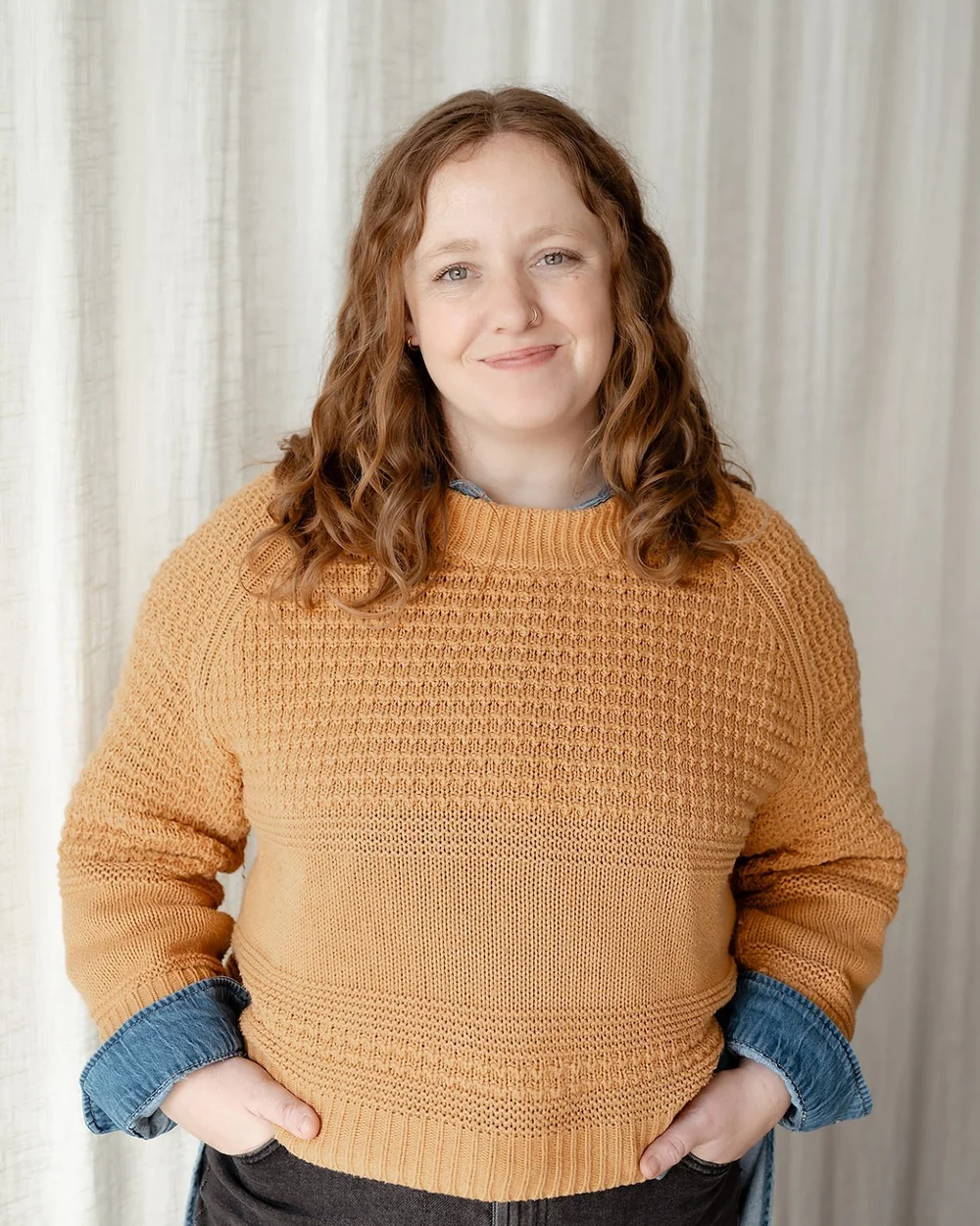
I've had misophonia for most of my adult life. For years, I assumed I was just difficult. Too sensitive. The kind of person who couldn't sit at a dinner table without planning their exit.
I tried the earplugs. The white noise machines. The therapists who nodded and moved on. I tried telling myself it wasn't a big deal, right up until I was leaving family dinners early, avoiding restaurants, and mapping out who in a given room might be eating.
What finally changed things wasn't a coping strategy. It was somatic therapy. When I started working with the stored emotional activation underneath my reaction, not just trying to manage it from the outside, things shifted in ways I didn't think were possible for me.
I'm a licensed therapist in Colorado, trained in EMDR and Sensorimotor Psychotherapy. Both are body-based modalities that work below the level of conscious thought, because thinking harder about my misophonia never scratched the surface.
I built the Safer Sounds Club because I spent years wishing something like it existed. It's not a coping strategy. It's a way to finally understand what's underneath, and start finding your way back to your life.

Misophonia is a neurological condition in which specific sounds trigger an intense, disproportionate emotional and physiological response. It is not a hearing disorder, and it is not simply being "sensitive." The reaction, which often includes rage, panic, disgust, or an overwhelming need to escape, is involuntary and happens before conscious thought can intervene.
The word misophonia means "hatred of sound," but that's not quite right. It's not all sounds. It's specific sounds, often sounds made by other people breathing, chewing, swallowing, or sniffling. Sometimes it's repetitive environmental sounds: tapping, clicking, the bass from a neighbor's music. The specificity varies, but the pattern is consistent: a trigger sound produces an immediate, full-body alarm response.
What researchers and clinicians now understand:
Misophonia is not your fault. It is not a personality flaw. And there is more that can help than most people, including most therapists, currently know.
Everything at the Safer Sounds Club is grounded in the same framework: misophonia is not a problem to be managed at the surface. It's an invitation to understand what's happening underneath.
The reaction to sound is real, and it is also meaningful. The intensity of what your nervous system produces when you hear a certain sound is proportional to what that sound has come to represent: a loss of control, a boundary that was never allowed to exist, a feeling you've never had language for.
Somatic therapy works because it doesn't ask you to think your way through this. It works with your body, with the felt sense, the activation, the places where the reaction lives before it reaches thought. EMDR and Sensorimotor Psychotherapy are both designed to reach the material that talking about it doesn't touch.
The resources here, the quiz, the workshop, the workbook, are built from this framework. They are not coping strategies. They are entry points into understanding: what's underneath your reaction, what your nervous system needs, and what becomes possible when you stop just managing and start actually looking.